Fresh herbs can completely transform a meal. They add brightness, aroma, and depth that dried store-bought versions rarely match. But buying small plastic packs of herbs every week quickly becomes expensive. A smarter solution is planting perennial herbs that come back year after year with very little effort.
If you are a busy gardener or home cook, perennial herbs are a gift. You plant them once, and they return every spring almost on their own. Unlike high-maintenance vegetables that need staking, feeding, and constant protection, many perennial herbs simply need sunlight, decent soil, and occasional trimming.
This guide covers twelve dependable perennial herbs that grow back each year, plus two bonus herbs that technically aren’t perennials but reseed themselves so reliably they behave like them.
Why Choose Perennial Herbs?
Perennial herbs offer several strong advantages for home gardeners.
Long-Term Harvest
Unlike annual herbs that must be replanted each year, perennials establish deep roots and return season after season. This saves time, money, and repeated trips to the garden center.
Lower Maintenance
Once established, perennial herbs are usually drought-tolerant and require less fertilizer than annuals. Regular watering during the first year and occasional pruning are often enough.
Longer Harvest Season
Many perennial herbs emerge early in spring and continue producing into fall. Herbs like chives, thyme, oregano, and parsley extend your fresh harvest window.
Beauty and Function
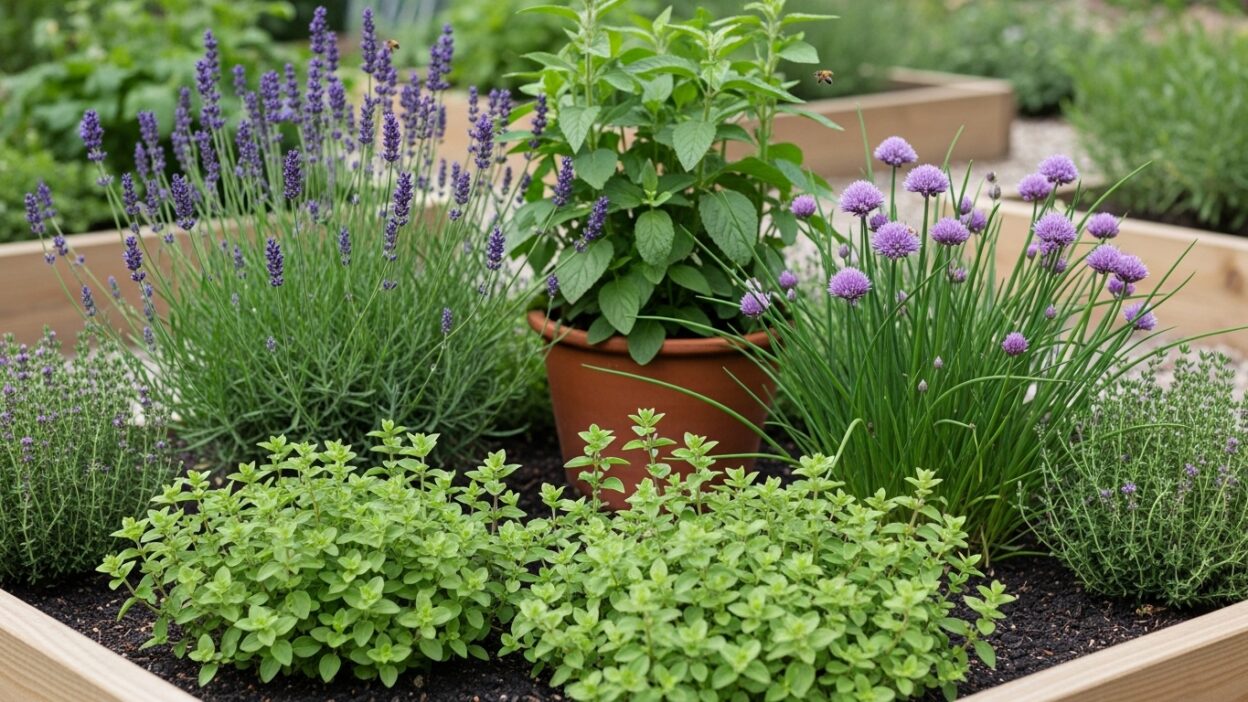
Several perennial herbs produce attractive flowers and fragrant foliage. Lavender, thyme, oregano, and tarragon add visual appeal while also serving your kitchen.
Support for Pollinators
Bees and butterflies love herb flowers. Oregano, lavender, thyme, and parsley blossoms bring beneficial insects into your garden, improving pollination overall.
The Perennial Herb List
1. Tarragon (Artemisia dracunculus)
French tarragon has a sweet, mild licorice flavor that pairs beautifully with chicken, fish, and egg dishes. It thrives in full sun and well-drained soil.
USDA Zones: 4 to 9
Growing Tips: Tarragon prefers slightly dry conditions. Water lightly and avoid heavy soil. Cut it back to ground level at the end of the season. Always choose French tarragon rather than Russian for better flavor.
Usage: Ideal for French sauces, salad dressings, and poultry dishes.
2. Chives (Allium schoenoprasum)
Chives grow in neat clumps and produce thin green leaves with a gentle onion flavor. Their purple blooms are also edible.
USDA Zones: 3 to 9
Growing Tips: Plant in full sun to partial shade. Keep soil moist. Chives spread easily through roots and seeds, so give them room.
Usage: Perfect in eggs, soups, salads, and dips. The flowers can be sprinkled over dishes.
3. Oregano (Origanum vulgare)
Oregano is a classic Mediterranean herb with bold flavor. It spreads each year and becomes bushier with pruning.
USDA Zones: 5 to 10
Growing Tips: Needs full sun and excellent drainage. Trim regularly to prevent woody growth.
Usage: Essential in pasta sauces, pizza, and Mexican dishes. It also dries very well for winter storage.
4. Sage (Salvia officinalis)
Sage has a strong, earthy flavor that pairs well with roasted meats and stuffing.
USDA Zones: 5 to 9
Growing Tips: Prefers full sun and slightly acidic, well-drained soil. Drought-tolerant once established.
Usage: Ideal for poultry, stuffing, and savory fall dishes.
5. Thyme (Thymus vulgaris)
Thyme is a low-growing herb that works well in garden borders or containers. Some varieties offer lemon or pepper notes.
USDA Zones: 5 to 9
Growing Tips: Needs full sun and very well-drained soil. Extremely drought-tolerant and even survives cold weather.
Usage: Excellent in soups, stews, roasted vegetables, and meats.
6. Lavender (Lavandula)
Lavender is both ornamental and edible. Its floral flavor works in desserts, teas, and certain savory dishes.
USDA Zones: 5 to 9
Growing Tips: Requires full sun and alkaline, well-drained soil. Avoid overwatering.
Usage: Used in baking, tea blends, and homemade sachets. Bees especially love lavender blooms.
7. Mint (Mentha)
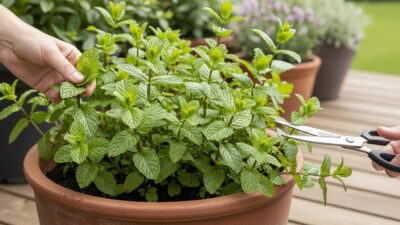
Mint grows aggressively and spreads quickly. It produces refreshing leaves perfect for drinks and salads.
USDA Zones: 3 to 8
Growing Tips: Always grow mint in containers to prevent takeover. Prefers moist soil and partial sun.
Usage: Ideal for teas, cocktails, and fresh salads.
8. Salad Burnet (Sanguisorba minor)
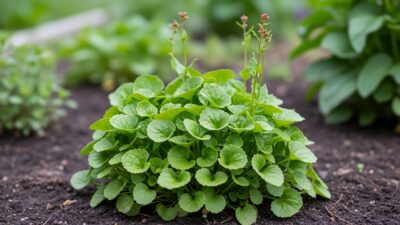
This lesser-known herb has a light cucumber flavor. Its delicate leaves look beautiful in salads.
USDA Zones: 4 to 8
Growing Tips: Thrives in full sun to partial shade with well-drained soil. Water consistently.
Usage: Adds a mild cucumber taste to salads and drinks.
9. Lemon Balm (Melissa officinalis)
Lemon balm offers a bright lemon scent and flavor. It spreads easily like mint.
USDA Zones: 4 to 9
Growing Tips: Grow in containers to control spreading. Prefers moist soil and partial sun.
Usage: Great for teas, desserts, and refreshing beverages.
10. Bay Laurel (Laurus nobilis)
Bay laurel grows as a small evergreen tree in warm climates. In colder areas, it can be grown in pots and brought indoors for winter.
USDA Zones: 8 to 10
Growing Tips: Needs full sun and well-drained soil. In cooler climates, grow in containers and move indoors before frost.
Usage: Dried bay leaves add depth to soups and stews.
Bonus Herbs That Reseed Themselves
These herbs are not true perennials, but they drop seeds that sprout again the following year.
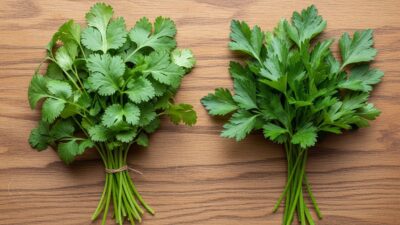
11. Flat-Leaf Parsley (Petroselinum crispum var. neapolitanum)
Parsley is technically a biennial. In year one, it produces leaves. In year two, it flowers and seeds.
USDA Zones: 5 to 9
Growing Tips: Allow some plants to flower and drop seeds. Leave soil undisturbed so they reseed naturally.
Usage: Essential in Mediterranean and Middle Eastern dishes.
12. Dill (Anethum graveolens)
Dill is an annual that reseeds heavily if allowed to flower.
USDA Zones: Annual
Growing Tips: Let some plants bloom and drop seeds. They will germinate next spring if soil remains undisturbed.
Usage: Excellent for pickles, fish, and creamy spreads.
Perennial herbs are one of the easiest ways to build a productive and beautiful garden. They save money, reduce work, attract pollinators, and keep your kitchen stocked with fresh flavor. Plant them once, care for them well during the first year, and enjoy reliable harvests for many seasons to come.
Happy gardening!