Salad burnet is one of those herbs that quietly surprises people. It looks delicate and decorative, yet it is tough and dependable in the garden. Even better, its leaves have a fresh cucumber-like flavor that makes it perfect for salads, dressings, and summer drinks.
If you want a perennial herb that is easy to grow, attractive, and useful in the kitchen, salad burnet is a great choice. Here is everything you need to know to plant, grow, and enjoy it successfully.
What Is Salad Burnet?
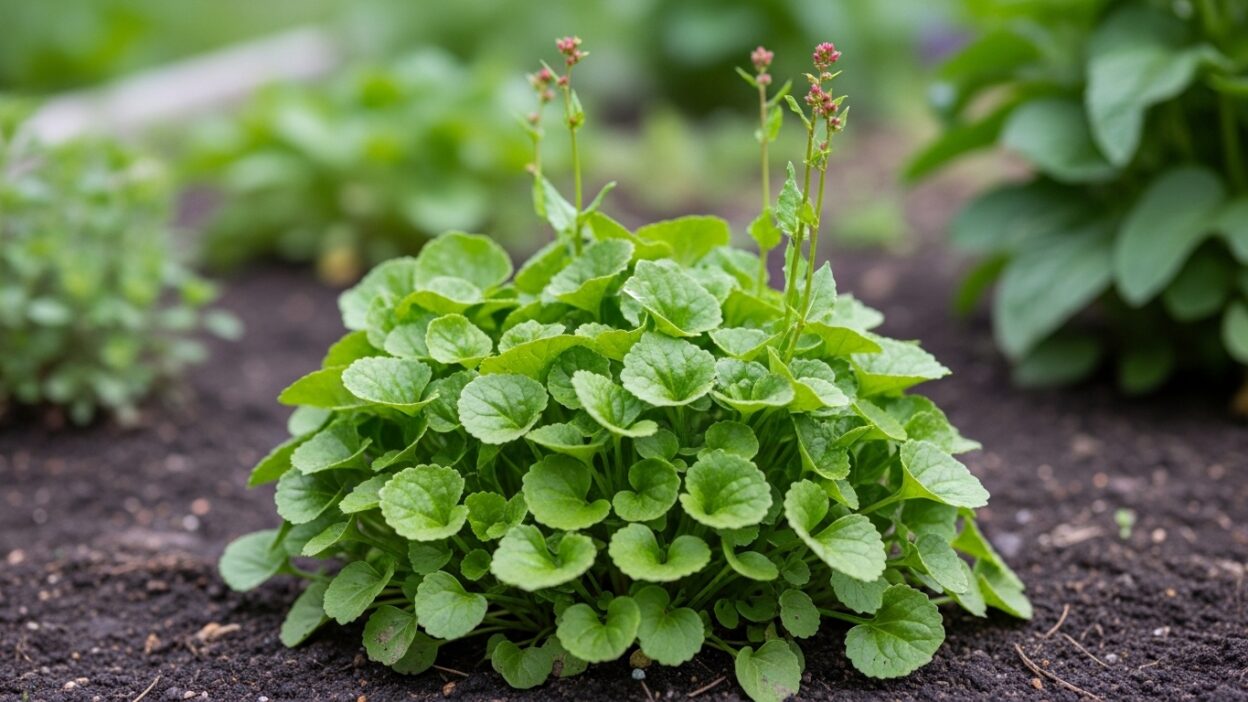
Salad burnet, botanically known as Sanguisorba minor, is a perennial herb in the rose family. It forms a low, spreading rosette of rounded leaves with small saw-toothed edges. The leaves grow outward from a central base, creating a soft, full appearance.
In mid-season, tall stems rise above the foliage and produce small crimson flower clusters. These flowers eventually form seeds.
The plant is especially valued for its crisp cucumber flavor. The young leaves are tender and taste best when freshly picked. Beyond flavor, it is also simply a beautiful plant. Throughout the growing season, new ruffled green leaves continue to emerge from the center.
Hardiness and Climate
Salad burnet grows well in USDA hardiness zones 4 through 11.
In colder zones 4 to 8, the plant dies back during winter but returns in spring. In warmer zones 9 to 11, it may remain evergreen if summer heat is not extreme.
It is a tough perennial that comes back reliably each year when planted in suitable conditions.
Where to Buy Salad Burnet
Unlike basil or mint, salad burnet is not commonly available at big box garden centers in the United States.
You may find starter plants from small specialty growers online. Seeds are often easier to locate than live plants. Many heirloom seed suppliers carry salad burnet seeds.
Planting Salad Burnet
Planting a Starter Plant
Wait until outdoor temperatures stay above 50°F and there is no risk of frost.
Choose a location with full sun or light partial shade. The soil should be rich and well-draining.
Dig a hole slightly larger than the root ball. Before planting, pour water into the hole to check drainage. If water pools instead of draining, improve the soil with compost or peat moss. Salad burnet does not tolerate waterlogged soil.
Remove the plant gently from its container and set it into the hole. Fill around the roots with soil and press it down firmly. Water thoroughly after planting.
Growing from Seed
Salad burnet can be grown from seed with some patience. Germination rates typically range from 50 to 70 percent.
Indoor Starting
Start seeds indoors 6 to 8 weeks before your last frost date. Use seed-starting mix and keep trays on a heat mat if possible. The ideal germination temperature is between 60 and 75°F.
Seeds usually sprout within 7 to 14 days. Once seedlings are 3 to 4 inches tall, they can be transplanted outdoors after frost danger has passed.
Direct Outdoor Sowing
Wait until soil temperatures reach at least 50°F. Sow seeds about 1/4 inch deep in well-drained soil. Water gently and keep soil moist but not soggy.
Once seedlings appear, thin them to stand 6 to 12 inches apart.
How to Care for Salad Burnet
Once established, salad burnet requires very little maintenance.
It tolerates light drought but prefers steady, moderate moisture. Avoid overwatering. The plant does not like to sit in soggy soil for long periods.
Fertilizer is usually unnecessary. If your soil is poor from previous growing seasons, apply a diluted fertilizer or fish emulsion about once a month.
To keep the plant producing fresh leaves, trim back any long or leggy growth. Frequent harvesting also encourages new tender growth. Young leaves have the best flavor.
How Salad Burnet Spreads
Salad burnet spreads in two ways: self-seeding and root division.
If you allow the flowers to bloom and go to seed, some seeds may fall to the ground and sprout the following year.
The plant also expands through its root system. Mature plants can be dug up, divided, and replanted. Division not only creates new plants but also refreshes older plants, leading to more tender leaves.
How to Harvest and Use Salad Burnet
Harvest leaves throughout the growing season. Simply snip off a stem and strip the leaves.
Here are popular ways to use it:
Salads
Chop fresh leaves and sprinkle them over green salads for a light cucumber note.
Salad Dressings
Mix finely chopped leaves into vinaigrettes for a cool, crisp flavor.
Ice Water
Add whole or lightly crushed leaves to a glass of ice water. It pairs well with mint and lime.
Lemonade
Infuse sweet lemonade with chopped leaves for a refreshing summer drink.
Vinegar
Steep leaves in vinegar to create a cucumber-flavored herbal vinegar.
Dips
Stir minced leaves into creamy dips for a fresh twist.
Cream Cheese Spread
Blend chopped salad burnet with dill, chives, and a little garlic powder into softened cream cheese for a flavorful spread.
Final Thoughts
Salad burnet is both ornamental and practical. It offers steady growth, attractive foliage, and a unique fresh flavor that stands out in summer recipes.
If you are looking to add a low-maintenance perennial herb to your garden, salad burnet is worth planting. With minimal care, it will return year after year and provide tender leaves throughout the season.