Mint is one of the easiest and most refreshing herbs you can grow at home. Its cool flavor works in drinks, desserts, salads, sauces, and even simple lemon water. Once you start growing mint, you will probably never want to be without it.
But there is one very important thing you must understand before planting mint: it spreads aggressively. If planted directly in the ground without control, it can quickly take over your garden. In this guide, you will learn exactly how to grow mint successfully while keeping it under control.
Understanding Mint Varieties
Mint belongs to the Mentha genus in the Lamiaceae family. Two of the most common types grown in home gardens are peppermint and spearmint. However, there are thousands of mint varieties worldwide, including chocolate mint, lemon mint, pineapple mint, ginger mint, and orange mint.
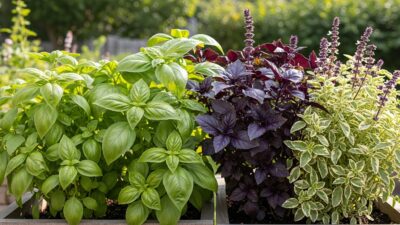
One interesting trait of plants in the mint family is their square stems. If you cut across the stem, you will notice four distinct sides. Basil, which is related to mint, shares this same feature.
Mint is a perennial herb. This means it comes back year after year. During winter in cold regions, the plant may die back completely above ground, but the roots survive and regrow in spring.
Why Mint Should Almost Always Be Grown in Containers
Mint spreads underground through strong rhizomes. These roots travel horizontally beneath the soil and pop up in new places. If planted directly in a garden bed, mint can easily spread far beyond its original spot.
Even if you try to remove it, small pieces of root left behind can regrow. Because of this, most home gardeners should grow mint in containers.
If you absolutely must plant mint in the ground, use a heavy-duty root barrier or plant it inside a sturdy fabric grow bag buried in the soil. Keep in mind that roots can escape through drainage holes if you sink a pot into the ground. Lifting the pot occasionally helps prevent this.
Where to Buy Mint
Although mint can be grown from seed, it is usually easier to buy a starter plant. Seeds sometimes require bright light for germination and can be inconsistent.
Garden centers, home improvement stores, and local nurseries commonly sell mint plants in spring. Since mint grows quickly, a small starter plant will soon become a large bushy plant by mid-summer.
How to Plant Mint in a Container
Choose a container that is larger than the current root ball. Mint grows fast, so think ahead and select a pot that allows room for root expansion.
Make sure the container has drainage holes. You can partially cover the hole with a pebble or mesh screen to prevent soil from washing out.
Use regular potting soil. Mint is not overly picky, but it prefers well-draining soil. You can mix in a small amount of peat moss or perlite to improve drainage.
Add a layer of soil at the bottom of the pot. Remove the mint plant from its nursery container and place it in the center. Fill around the sides with fresh soil and gently firm it down. Water lightly and place the pot in a sunny location.
Sunlight and Water Needs
Mint prefers consistently moist soil, especially when grown in containers. During hot summer months, it may need watering daily or every other day.
However, avoid overwatering. If water collects in a saucer under the pot, empty it after rain to prevent root rot.
Mint grows best with at least 4 to 6 hours of direct sunlight daily. It can tolerate partial shade, but too much shade may reduce flavor and cause weak, leggy growth.
Fertilizing Mint
Mint is not a heavy feeder. Too much fertilizer can cause rapid growth but reduce flavor strength.
If planted in fresh potting soil, mint usually does not need fertilizer. In very rainy seasons, nutrients may wash out of the soil. In that case, you can apply a diluted balanced fertilizer once in spring and again every few weeks if needed.
Pruning and Maintenance
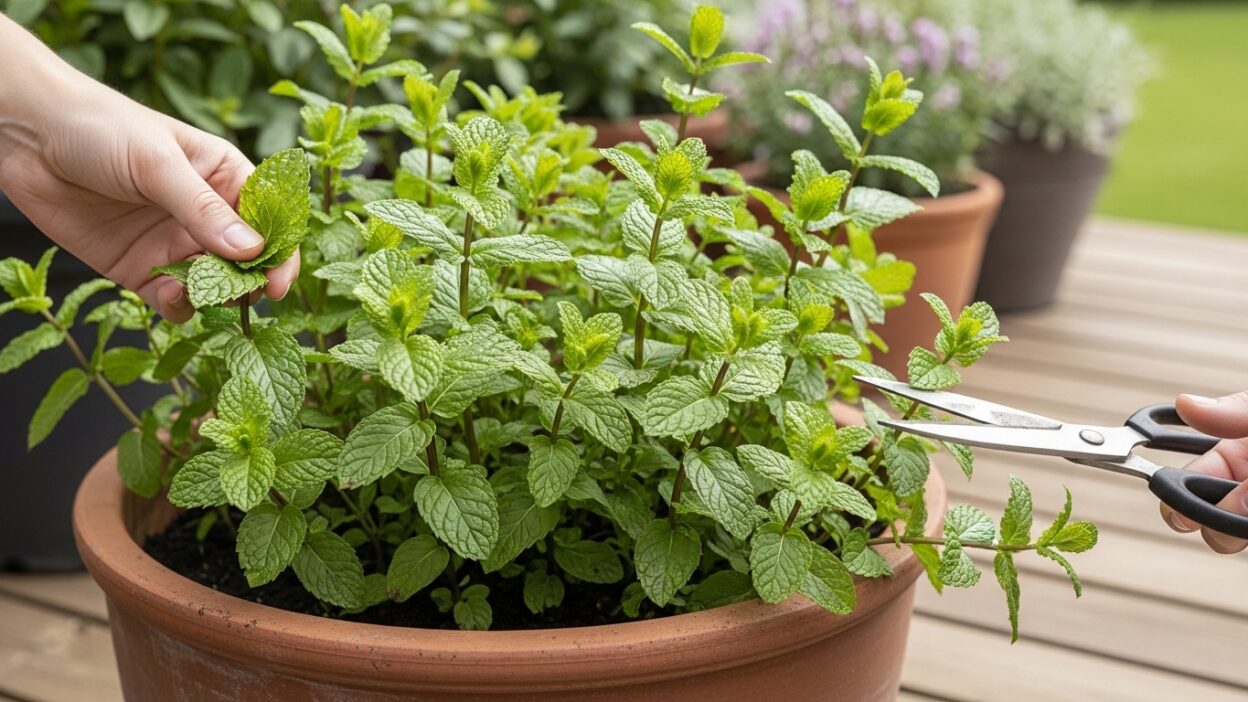
Regular trimming keeps mint healthy and bushy.
Cut the plant back by about half in spring and again in mid-summer. This encourages fuller growth and prevents tall, weak stems.
Remove yellow or damaged leaves regularly. Frequent harvesting also helps control height and delays flowering.
How to Harvest Mint Properly
You can harvest mint leaves as soon as the plant is well established.
For small amounts, pinch off individual leaves. For larger harvests, cut full stems about one inch above a leaf node. This encourages branching and thicker growth.
Always harvest in the morning after dew has dried but before the day becomes too hot. This is when flavor and aroma are strongest.
Do not remove more than one third of the plant at one time. The remaining leaves help the plant continue producing energy for new growth.
Wash leaves before using them in drinks or recipes.
Overwintering Mint
In cold climates, mint will die back during winter. This is normal.
Trim back long stems and add a layer of mulch over the soil surface. If possible, move the container to a protected area such as a garage or covered porch.
Mint is very hardy and can survive freezing temperatures. In spring, watch for new shoots emerging from the soil. This signals that the plant has successfully overwintered.
When new growth begins, check whether the plant has become root-bound. If so, divide and repot it into fresh soil.
Propagating Mint
Mint is extremely easy to propagate.
One method is division. Carefully remove the plant from its pot, split the root ball into sections, and replant each portion in fresh soil. This works best in early spring or late fall.
Another method is stem cuttings. Cut a healthy stem and place it in a glass of water on a sunny windowsill. Change the water regularly. Once roots develop, plant the cutting in soil.
Common Mint Pests
Mint is generally resistant to many pests, but aphids and spider mites can appear.
Aphids cluster under leaves and look like tiny insects. Spider mites are very small and may leave thin webbing.
A strong spray of water often removes them. If infestation continues, neem oil or insecticidal soap can be used.
Occasionally, cabbage looper worms may chew leaves. These can simply be removed by hand.
Final Thoughts
Mint is one of the easiest herbs to grow, but it must be managed wisely. When grown in containers and pruned regularly, it provides fresh leaves all season long with very little effort.
With proper care, mint will reward you year after year with fragrant growth and endless culinary possibilities.