Garlic lovers, this one’s for you. Growing garlic at home is incredibly satisfying, and with just a little attention in spring, you can set yourself up for a strong, healthy harvest. Once those small green shoots pop up after months underground, it’s time to give them the care they need to thrive.
Garlic is one of the easiest crops to grow in a home garden. It doesn’t demand constant attention, but a few smart practices—especially in spring—can make a big difference in bulb size and overall quality.
After growing garlic for many years, I’ve found that the cycle never gets old. Planting cloves from last season’s harvest, watching the shoots emerge, cutting scapes, curing bulbs, storing them, and then starting all over again—it’s a continuous and rewarding rhythm. Not to mention cooking with it the whole way through.
Here are five important tips to help you grow strong, beautiful garlic year after year.
1. Mulch the Plants
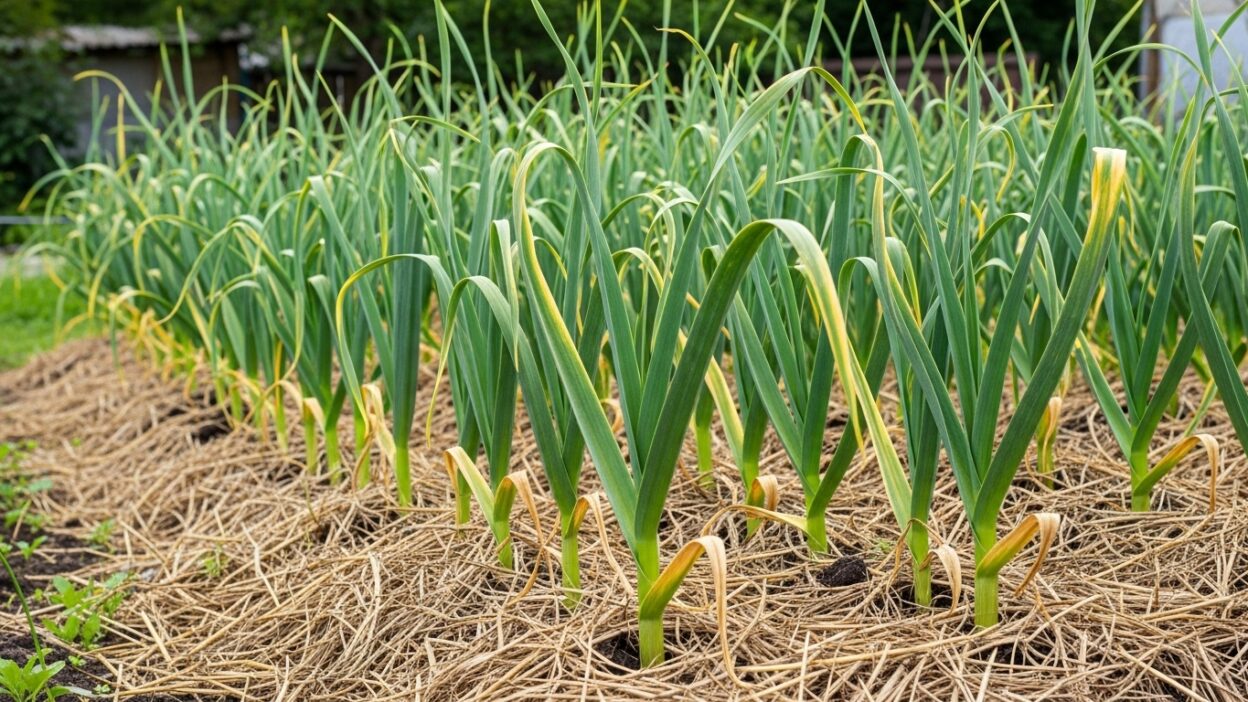
One of the most important things you can do for garlic is apply mulch. By mulch, we simply mean covering the soil with organic material to protect both the cloves in winter and the soil during active growth.
Avoid decorative bark mulch from big box stores. It looks nice, but it doesn’t break down quickly and has to be raked away before the next planting season.
Straw is one of the best options for garlic beds. If possible, combine chopped leaves with straw. You can make your own leaf mulch by running a mulching mower over fallen leaves to shred them finely.
If you didn’t mulch in the fall, don’t worry. When garlic shoots reach about 6 inches tall in spring, that’s a great time to add a thick layer of pesticide-free straw or shredded leaves right up to the stems.
Mulching helps:
-
Retain moisture in the soil
-
Keep soil cooler during warm spells, which is especially helpful for hardneck varieties
-
Suppress weeds that compete for nutrients
A thick layer of straw can dramatically reduce weed pressure throughout the season.
2. Water and Fertilize Properly
Garlic needs steady moisture, especially during active growth in spring.
Water deeply about once per week, unless your area is experiencing heavy rainfall. In warmer climates or during sudden heat waves, you may need to water more often.
To check soil moisture, gently pull back the mulch and press a finger into the soil. If it feels moist and loose, you’re in good shape. If it’s dry and crumbly, it’s time to water.
Feed garlic every other week with a balanced fertilizer or fish emulsion. Continue feeding until scapes begin forming on hardneck varieties, or until the plant is tall and fully leafed out. At that stage, stop fertilizing so energy shifts toward bulb development.
3. Remove the Scapes
If you’re growing hardneck garlic, watch closely in May for the appearance of a thick, round stalk growing from the center of the plant. This is the scape—the flowering stem.
Since the goal is to grow large bulbs rather than seeds, you should remove the scape. Cutting it off allows the plant to direct its energy back into bulb growth.
The bonus? Scapes are delicious. They taste like a milder, slightly sweet garlic and can be sautéed, grilled, or blended into pesto. Think of them as a seasonal reward before harvest.
4. Stay Ahead of Weeds
Even though this tip appears later, it’s extremely important.
Garlic bulbs and their roots are heavy feeders. They should not compete with weeds for nutrients and space. Even with mulch, occasional weeds may pop up, and when they do, remove them completely—roots and all.
Be careful when digging around garlic plants. The bulbs can grow much larger than the visible stem suggests, and their root systems can extend three to four times the width of the stem.
During active growth, bulbs are also delicate. Avoid injuring them with a shovel or hand tool.
Consistent weeding makes a noticeable difference in bulb size and quality.
5. Watch for Yellowing and Browning
Because garlic bulbs grow underground, you can’t judge readiness by looking at the bulb itself. Instead, pay attention to the leaves.
In late May or June, you may notice leaf tips turning brown and drying out. Soon after, the upper halves of the leaves begin yellowing.
This is not a problem or disease. It’s simply a sign that the plant is nearing maturity.
When the top half of the plant has turned yellow or brown, it’s time to harvest.
Don’t wait until the entire plant is completely dry and brown. Harvesting too late can reduce storage life. The bulbs will still taste fine, but they won’t keep as long through fall and winter.
If you plan to store garlic for months or use it for replanting in fall, proper harvest timing is critical.
Garlic doesn’t demand much, but these five simple practices—mulching, watering and feeding properly, removing scapes, controlling weeds, and watching for maturity—can dramatically improve your harvest.
With just a little attention during spring and early summer, you’ll be rewarded with beautiful, flavorful bulbs that last well beyond the growing season.