The end of the growing season is the perfect time to take stock of your garden tools. When everything is still fresh in your mind, it’s easier to be honest about what worked beautifully and what ended up being more frustrating than helpful.
With online shopping, gardeners now have access to almost every tool imaginable — from brand-new innovations to vintage finds on resale sites. But building a reliable garden tool kit isn’t about owning everything. It’s about choosing tools you actually reach for every day.
Like most gardeners, I keep the basics on hand: a sturdy hand trowel, a spade, a long-handled shovel, and a pitchfork. But over time, a few tools have earned permanent spots in my daily rotation.
Before diving into those, let’s talk about something surprisingly important — the tool carrier.
Choosing the Right Tool Carrier
Gardening is messy by nature. Soil, dust, leaves, and even insects follow your tools everywhere. A good tool carrier needs to handle that reality.
Cloth carriers may seem convenient, but once mud gets involved, they quickly become a hassle. A better option is something sturdy and easy to hose out. It should also have handles that don’t interfere with taller tools.
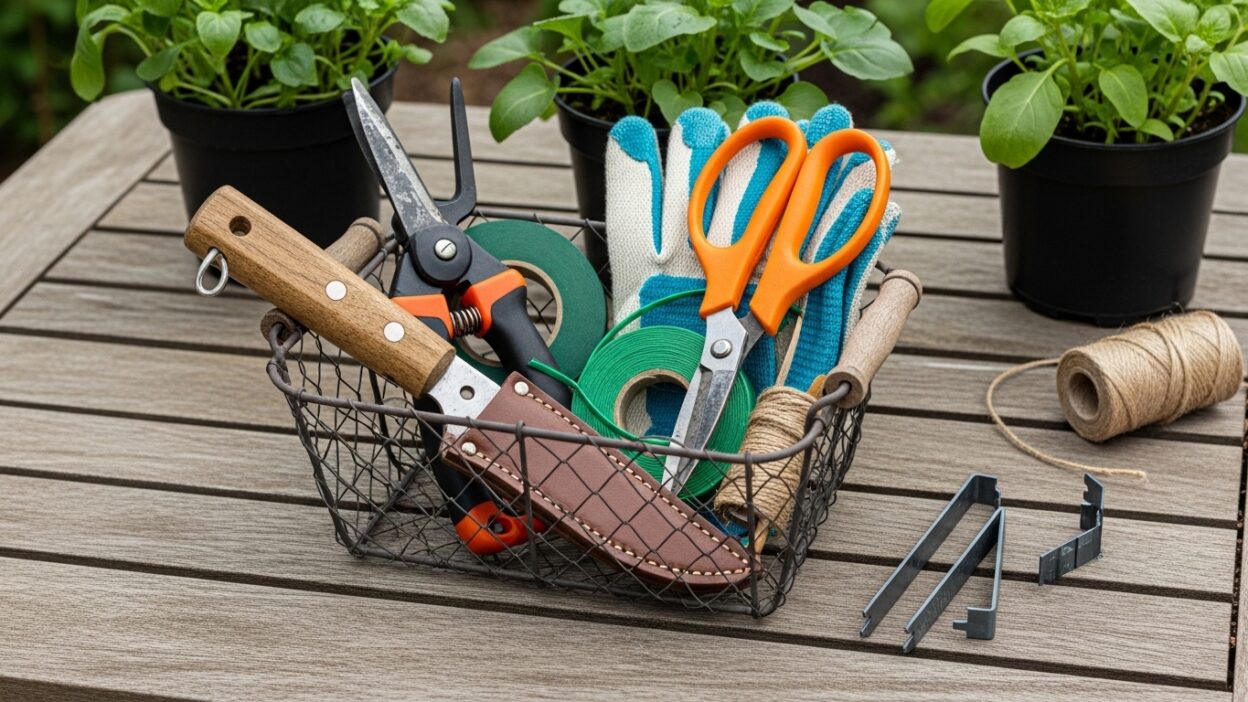
After trying several styles, I found that a chicken wire basket works surprisingly well. It’s lightweight, breathable, and holds hand tools, gloves, and seed packets comfortably. If the base openings are wide, adding a mesh lining can prevent smaller items from slipping through.
A dependable carrier keeps everything within reach and saves countless trips back and forth.
Essential Hand Tools
Hori Hori Knife (Soil Knife)
For years, I avoided buying a hori hori knife. After finally trying one, I wished I had started sooner.
This versatile tool can replace a traditional hand trowel for many tasks. The blade is sharp enough to cut through compacted soil, roots, and stubborn vines. One side is serrated, making slicing easier, and the gently curved blade slides neatly down the side of pots for transplanting.
Because it’s sharp, a protective sheath is highly recommended. It’s not a tool you want lying loose in your basket.
Nejiri Weeder (Hand-Held Hoe)
If there’s one tool that stands out above the rest, it’s the Nejiri weeder.
Its pointed tip slips easily between closely planted crops, making it ideal for intensive garden beds. The blade cuts through shallow-rooted weeds and loosens compacted soil with minimal effort.
It’s also excellent for blending compost or soil amendments right where you’re planting. With proper care, this type of tool can last for many years with little visible wear.
Needle Nose Pruners or Garden Scissors
Once summer vegetables begin producing heavily, precise cutting tools become essential.
Needle nose pruners have long, narrow blades that slide easily between stems and leaves. They’re perfect for harvesting cucumbers, snipping basil, cutting tomato trusses, and removing peppers without damaging nearby growth.
Pruners can wear out quickly with heavy use, and some gardeners rotate through them every couple of seasons. In a pinch, sturdy garden scissors work well, though they may feel less delicate when trimming herbs or small fruit clusters.
Despite their short lifespan, fine pruners are incredibly useful — almost indispensable in a vegetable and herb garden.
Gloves
Glove preferences vary widely among gardeners. Some prefer working bare-handed, while others don’t enjoy soil under their nails.
After handling spiny crops like cucumbers, zucchini, radishes, and thorny weeds, gloves start to feel like a necessity.
For daily tasks, a lightweight glove with reinforced palms works well. Some gardeners prefer wearing one glove on their non-dominant hand to protect against thorns while keeping the other hand free for delicate harvesting.
For heavier tasks like mulching or clearing beds, thick leather gloves with wrist cuffs provide better protection.
Even if you prefer bare hands most of the time, having a durable pair available is wise.
Must-Have Garden Accessories
Beyond the main tools, a few small accessories make gardening smoother and more efficient.
Stretch Tie Tape
Stretch tie tape is incredibly versatile. It can secure plants to stakes, repair fencing, or mark boundaries between different seed varieties. Its flexibility protects growing stems, and it typically lasts an entire season.
Twine
Twine is the all-purpose classic. While not as durable as stretch tape, it’s biodegradable and perfect for lighter tying jobs.
Garden Staples
Garden staples may not look impressive, but they’re surprisingly useful. They secure row covers and landscape fabric, anchor fencing, and even guide wandering squash vines.
They can also act as mini-stakes for supporting young or grafted plants. Keeping a handful in your tool kit often solves unexpected problems quickly.
Final Thoughts
A great garden tool kit doesn’t need to be large or expensive. It needs to be practical.
When you focus on tools that feel comfortable in your hands and stand up to daily use, gardening becomes more efficient and enjoyable. As seasons change, review what worked, replace what didn’t, and refine your kit little by little.
With the right tools at your side, every task — from planting to harvesting — feels easier.
Happy and productive gardening.