If you want a successful garden, you need more than good soil and strong seeds. Weather plays a huge role in how your growing season unfolds. Two of the most important tools for planning are your frost dates and your plant hardiness zone.
These simple pieces of information can answer some big questions. When is it safe to plant? How long is your growing season? Which plants can survive winter in your area? Once you understand these basics, garden planning becomes much easier.
Gardening success depends on many factors like rainfall, pests, sunlight, and even luck. But at the core of it all is temperature. Knowing when freezing temperatures begin and end in your region helps you avoid costly mistakes.
First and Last Frost Dates
Frost dates refer to the typical time of year when freezing temperatures occur in your area. Specifically:
-
The last frost date happens in spring.
-
The first frost date happens in fall.
These dates are based on historical climate data. They are not exact predictions, but they serve as helpful guidelines when planning your garden.
By knowing these dates, you can calculate how many frost-free days you have in your growing season. That number helps determine whether a plant will have enough time to mature and produce before cold weather returns.
Frost dates also help you decide if you should start seeds indoors to give plants a head start.
Last Frost Date
The last frost date marks the general time when freezing temperatures are no longer expected in spring.
This is important because many warm-season crops cannot tolerate frost. Plants like tomatoes and cucumbers require stable, warm weather. A late freeze can damage or kill young plants quickly.
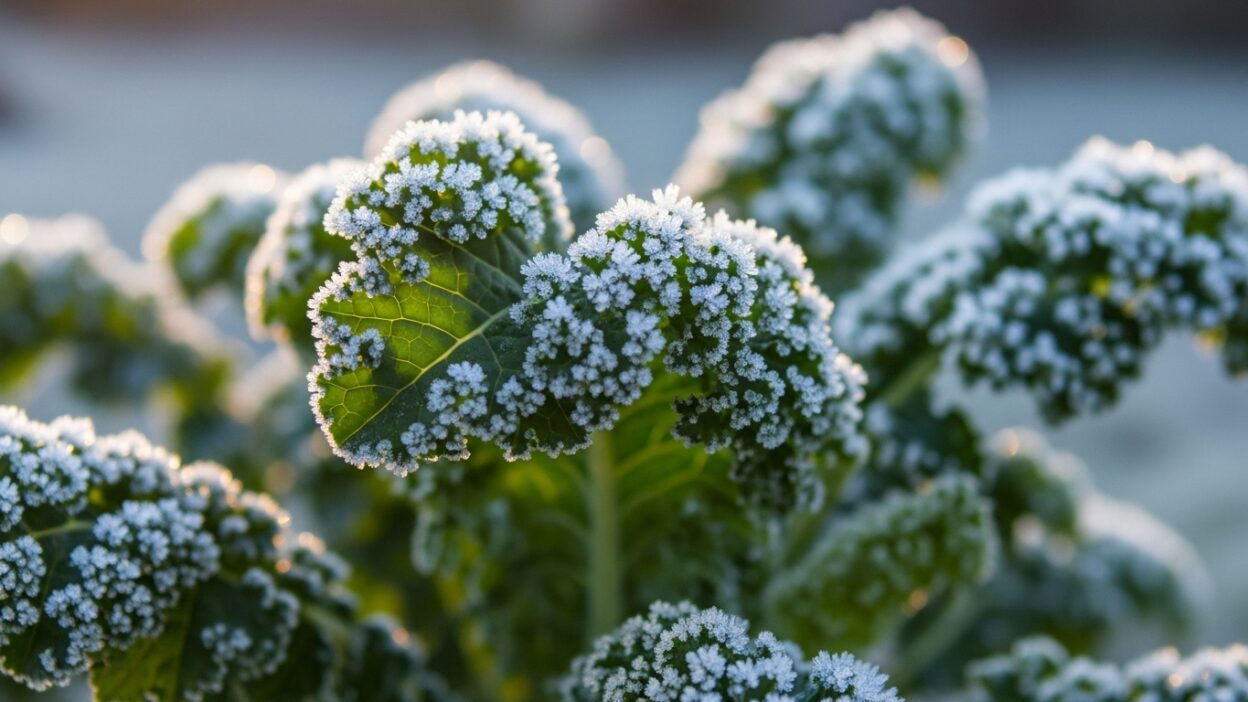
Some crops, however, tolerate cold quite well once established. Brassicas such as kale, broccoli, and cauliflower, along with alliums like garlic and leeks, handle chilly temperatures much better.
In recent years, many gardeners have noticed frost dates shifting slightly later. Weather patterns are becoming less predictable, so it’s wise to monitor forecasts even after your historical frost date has passed.
First Frost Date
At the other end of the season is the first frost date. This is the approximate time in fall when the first killing frost usually occurs.
The impact of this frost depends on the plant.
Some warm-season plants may survive a light frost but will stop producing. Tomatoes are a good example. The vines might still look healthy, but fruit will stop ripening once temperatures drop consistently.
Other plants break down quickly after a freeze. Leaves and stems can become soft and collapse after a freeze-thaw cycle.
Cold-hardy vegetables often continue growing even after frost. Broccoli, leeks, carrots, and kale can tolerate chilly conditions well. Some herbs, like flat-leaf parsley, can also handle cold better than expected, though heavy snow may damage them.
Knowing your first frost date helps you plan harvest timing and decide when to pull sensitive crops from the garden.
Understanding Hardiness Zones
Another helpful tool is the USDA Plant Hardiness Zone Map. This map divides the United States into numbered zones based on average minimum winter temperatures.
Each zone represents a 10-degree Fahrenheit range and is further divided into “a” and “b” subzones, which indicate a 5-degree difference.
For example, a gardener in zone 6b experiences colder minimum winter temperatures than someone in zone 7a. Even a small difference in zone can affect which perennial plants survive winter outdoors.
How to Use Hardiness Zones
For vegetable gardeners growing annual crops like lettuce, beans, tomatoes, and squash, hardiness zones are less critical. These plants are replanted each year and do not need to survive winter.
However, hardiness zones are extremely important for:
-
Perennial herbs
-
Fruit trees and berry bushes
-
Flowering perennials
-
Shrubs and ornamental plants
If you live in a cold-winter region, selecting perennials suited to your zone ensures they return each spring. For example, herbs like chives, thyme, sage, oregano, and tarragon often survive winters in colder zones, even though they die back temporarily.
In warmer climates where winter temperatures rarely drop below freezing, gardeners can grow a much wider variety of plants year-round.
Why This Matters for Your Garden
Understanding frost dates and hardiness zones allows you to:
-
Plan seed-starting schedules accurately
-
Avoid planting too early in spring
-
Protect crops from unexpected cold snaps
-
Choose perennials that will survive your winters
-
Estimate how long your growing season lasts
Weather can still surprise you. Some years bring late snow or early cold. But having these guidelines gives you a strong foundation for decision-making.
As you prepare for spring, keep an eye on your last frost date and watch forecasts closely. When the weather finally warms consistently, you can plant with confidence.
Gardening always involves patience — especially while waiting for frost-free days. But understanding your climate makes that waiting much easier.