If you’re feeling overwhelmed trying to decide what to grow this season, it might be time to simplify. Instead of planting a little bit of everything, focus on the foods you actually use every week. A pantry garden is built around the ingredients that show up in your daily cooking — just growing fresh outside instead of buying them from the store.
For new gardeners especially, the planning stage can feel intimidating. First, you’re learning how to grow vegetables. Then you’re faced with choosing what to plant, where to put it, and when to start it. The list of things that can grow in an average U.S. backyard is huge — from artichokes to zucchini — and that doesn’t even include herbs or fruit trees.
It’s easy to get carried away. Once the gardening bug hits, suddenly every sunny patch of grass looks like potential growing space. Growing your own food is exciting. There’s something deeply satisfying about stepping outside and picking dinner ingredients straight from your yard.
But enthusiasm can lead to overplanting. I’ve done it myself. One season I planted far more than I could realistically use. By late summer, I had so much produce I could have opened a farmers’ market stand. I experimented with crops I didn’t truly need and spent hours maintaining plants that didn’t match how I actually cook. By fall cleanup, I was completely exhausted.
That’s when the idea of returning to the basics made sense.
Back to the Gardening Basics
This season, the focus is simple: grow what you use all the time.
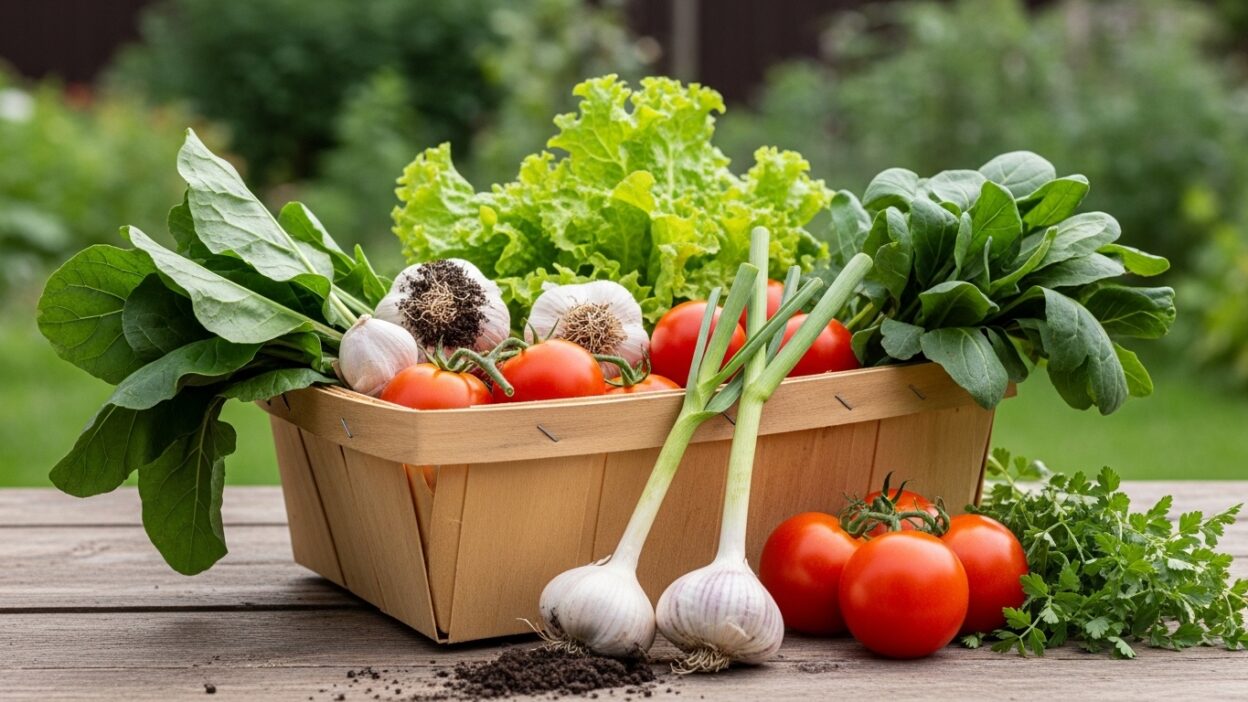
Think of the vegetables and herbs you always keep stocked in your kitchen. If fresh produce could sit on a pantry shelf like canned goods, what would be there? Those are the crops worth planting.
This approach works for beginners and experienced gardeners alike. Gardening requires real effort — especially during hot summer weeks when watering and weeding feel endless. If you’re going to put in that work, it should support the way you actually eat.
Take tomatoes, for example. They’re the stars of many gardens, especially heirloom varieties. But they do require attention. If you only slice one tomato into a salad each week, you might not need multiple large plants. Maybe a farmers’ market visit makes more sense.
The same goes for zucchini. It produces heavily, but if you don’t love eating it, caring for it becomes a chore rather than a joy.
Honesty about your kitchen habits leads to smarter garden planning.
Planning Your Pantry Garden
Before seed-starting season begins, create a master list of foods you rely on most. Then narrow it down.
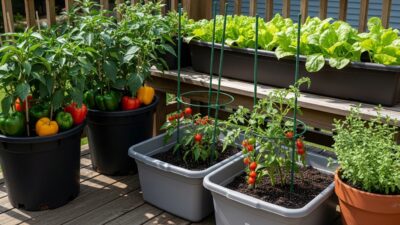
In my garden, I grow in three main spaces:
-
Containers on the deck
-
A standing garden bench
-
In-ground garden beds (plus a couple of community garden plots)
Almost any vegetable can grow in a container if the pot is deep enough and filled with quality soil. I choose between containers and beds based on space, convenience, and how well I can control the plant’s environment.
For example, celery and ginger benefit from container growing because I can move them into partial shade during peak summer heat. And for convenience, I keep everyday herbs close to the kitchen door so I can step outside and grab what I need quickly.
Leafy Greens
These are staple greens that appear regularly in meals.
Lacinato Kale (Dinosaur Kale)
How: Direct sow outdoors
When: Early spring
Where: Garden bed
Although considered a cool-weather crop, kale continues producing through the entire season for me — even in heat — until the first hard freeze.
Romaine Lettuce
How: Direct sow outdoors
When: Early spring
Where: Garden bench
Spinach
How: Direct sow outdoors
When: Early spring and again mid-summer for fall harvest
Where: Garden bench
Herbs
Herbs are the backbone of a pantry garden because they’re used constantly.
Basil
How: Start indoors
When: March
Where: Transplant to herb garden
Chives
How: Purchase starter clumps
When: Spring
Where: Garden beds
Chives return each year if left in place.
Cilantro
How: Direct sow outdoors
When: Early spring and mid-summer
Where: Containers and garden bench
Cilantro bolts quickly in heat, but you can allow it to flower and collect coriander seeds.
Dill
How: Direct sow outdoors
When: Every two weeks from early spring through late summer
Where: Herb garden or containers
Mint
How: Purchase plant
When: Early summer
Where: Container
Mint spreads aggressively underground, so containers keep it controlled.
Oregano
How: Purchase plant
When: Early summer
Where: Garden bed
A hardy perennial that grows larger each year.
Flat-Leaf Italian Parsley
How: Direct sow outdoors
When: Early spring
Where: Herb garden and containers
Rosemary
How: Purchase transplant
When: Spring
Where: Herb garden
In colder zones, bring indoors for winter.
Sage
How: Purchase plant
When: Spring
Where: Herb garden
Perennial in most zones.
Thyme
How: Purchase plant
When: Spring
Where: Garden bed
Very hardy and spreads gradually over time.
Vegetables
These are the everyday cooking staples.
Garlic
How: Direct sow cloves outdoors
When: Mid-autumn
Where: Garden bed
Carrots
How: Direct sow
When: Early spring
Where: Garden bed
Cucumbers
How: Direct sow and/or purchase plants
When: Early summer, with repeat plantings
Where: Garden bed
Green Onions
How: Direct sow
When: Spring with staggered plantings through summer
Where: Containers and garden
Onions
How: Purchase starter bundles
When: Early spring
Where: Garden bed
Peppers (Hot and Sweet)
How: Start indoors or purchase plants
When: Begin indoor seeding in February; transplant after frost
Where: Garden bed
Sweet Potatoes
How: Purchase slips
When: Spring
Where: Garden with plenty of space for vines
Tomatoes
How: Start indoors or purchase transplant
When: Start seeds in late March; transplant after last frost
Where: Garden bed or large containers
Final Thoughts
A pantry garden isn’t about growing everything. It’s about growing what matters to you.
When your planting plan reflects your real kitchen habits, gardening becomes more manageable and far more rewarding. Instead of feeling buried in maintenance and overwhelmed at harvest time, you’ll gather exactly what you need for dinner — fresh, flavorful, and right outside your door.
Com’on, Spring!